10 Royal Deaths That Shocked the World, From King George VI to Princess Diana
The British monarchy has faced its share of heartbreak over the decades, from sudden accidents to long, painful illnesses. Some of these losses became defining moments that the public still remembers vividly today.
Princess Diana lost her life in a car accident in Paris on August 31, 1997. In the days that followed, mourners gathered outside Buckingham Palace, covering the gates with flowers, cards, and photographs in tribute to her.
Here are ten royal deaths that left the world in mourning.
1. Prince George, Duke of Kent — 1942
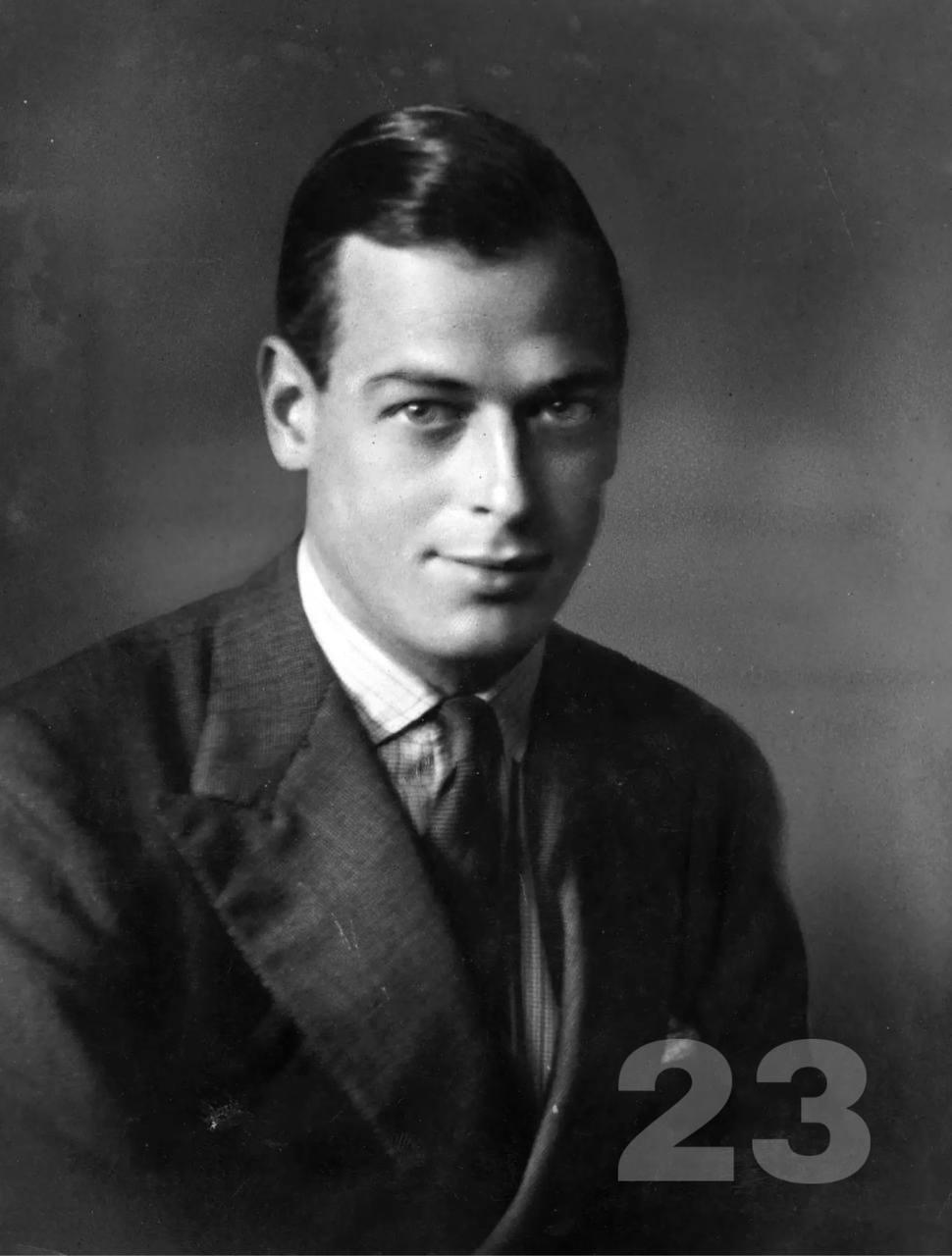
The younger brother of King George VI, Prince George died at 39 when the military aircraft carrying him to Iceland went down over a Scottish hillside. He was on active duty with the Royal Air Force at the time, and only one person aboard the plane survived. His death was notable because it marked the first time in generations that a British royal had died while serving in the armed forces.
2. Prince Gustaf Adolf of Sweden — 1947
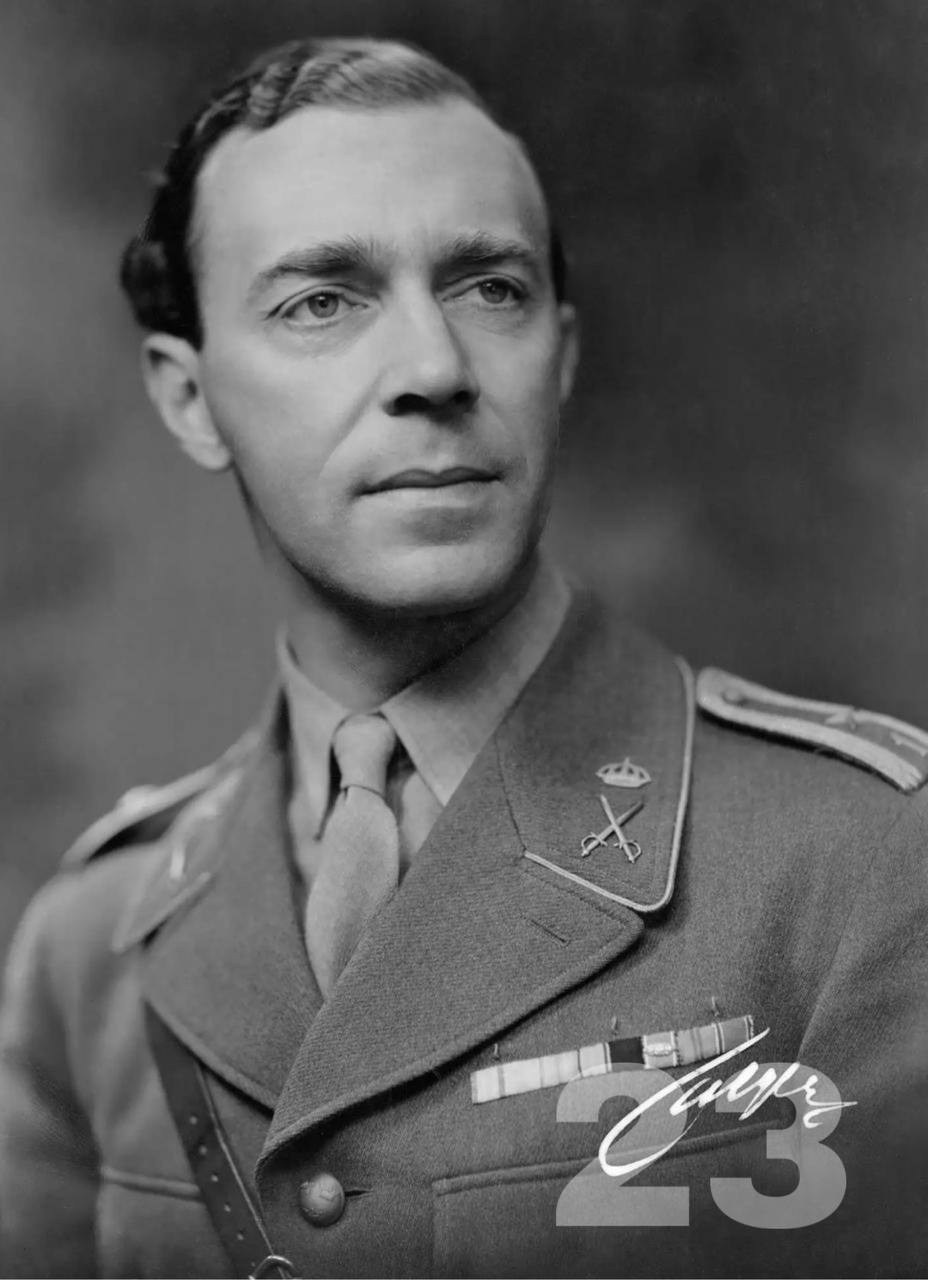
Gustaf Adolf, father of Sweden’s future king Carl Gustaf, was killed when his commercial flight crashed shortly after a stopover in Copenhagen. The plane stalled during takeoff and went down nose-first, bursting into flames on impact. He was 40 years old, leaving behind a son who was still an infant.
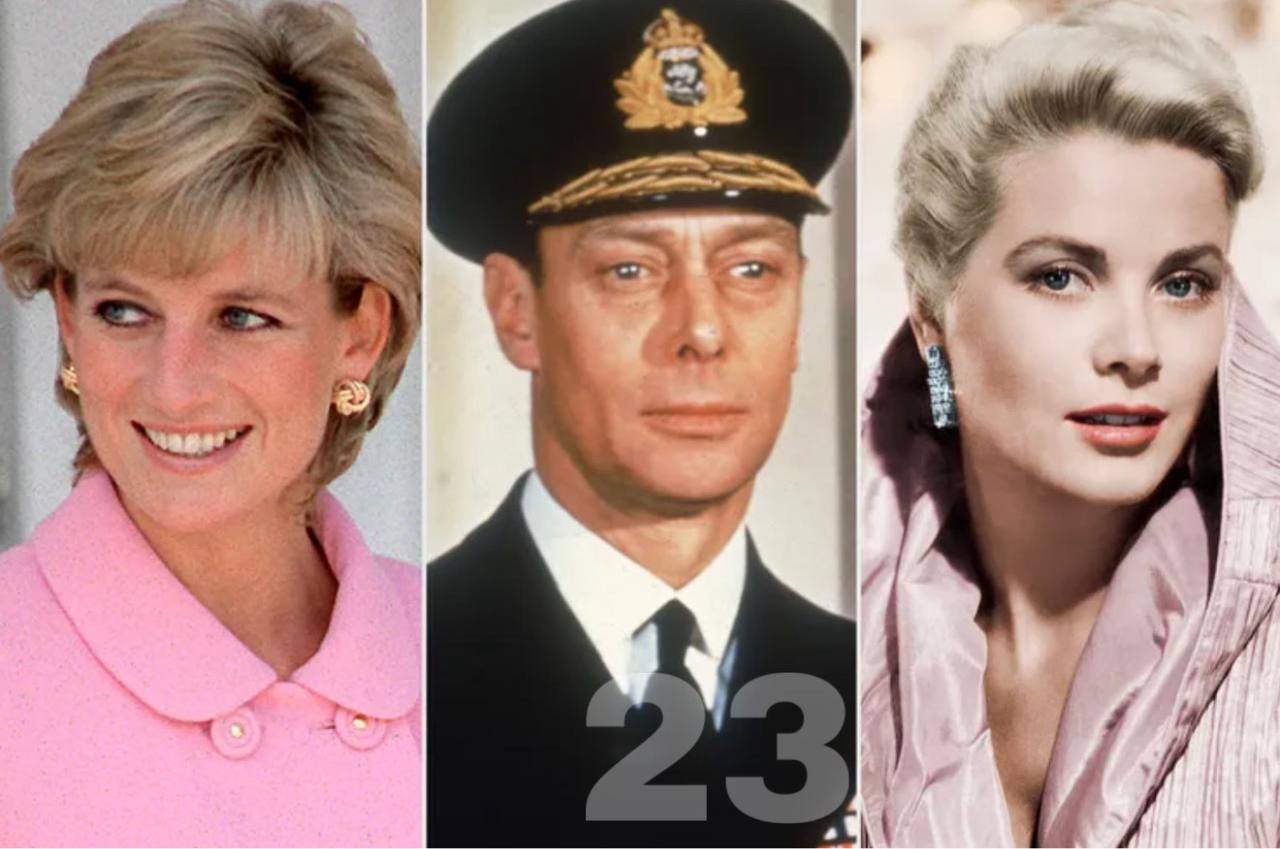
3. King George VI — 1952
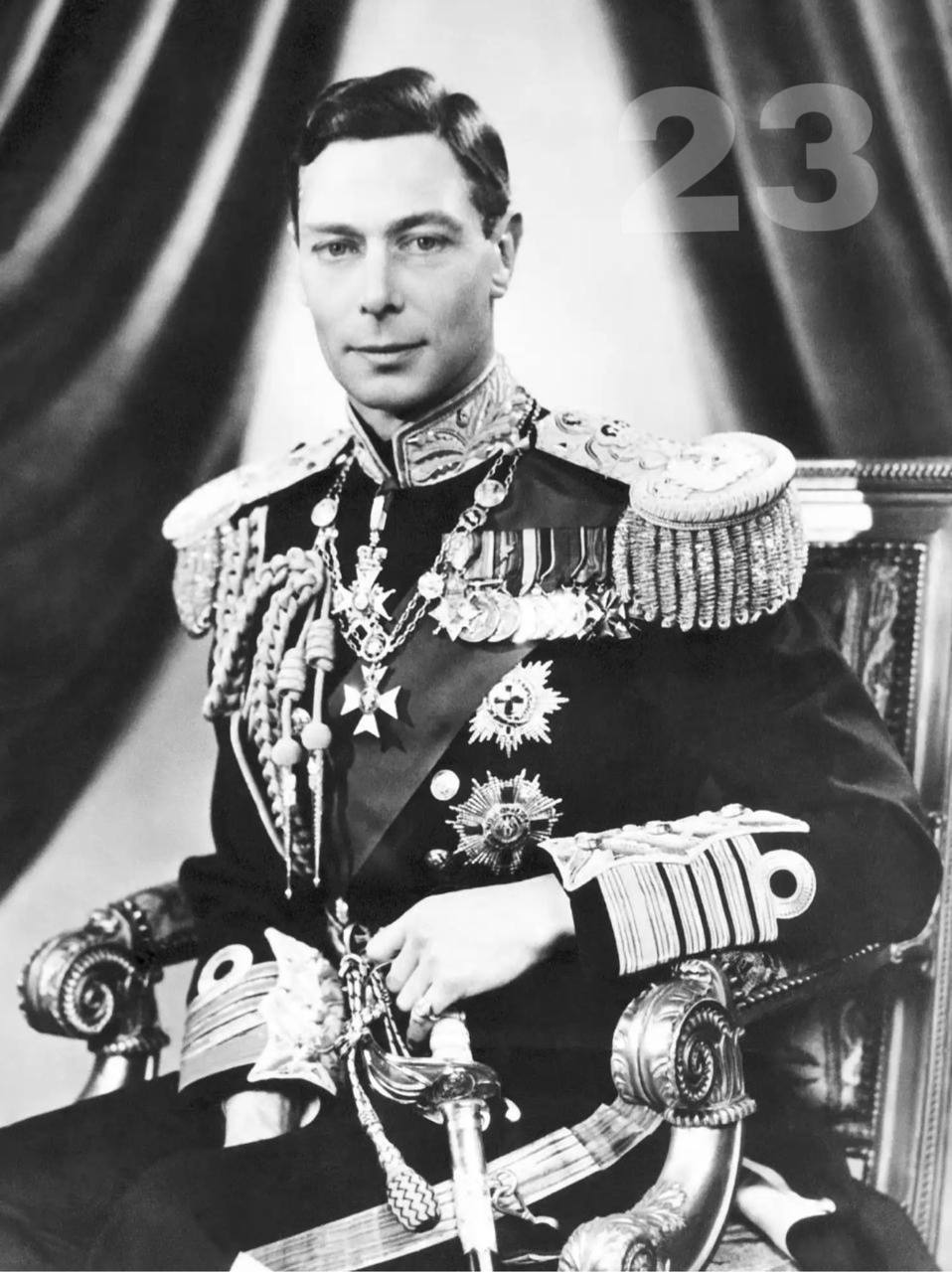
Years of stress from World War II, combined with a lifelong smoking habit, left George VI in declining health. He had part of a lung removed after a cancer diagnosis, and as his condition worsened, his daughter Elizabeth began taking on more royal responsibilities. He passed away quietly in his sleep from a heart-related blood clot, and Elizabeth learned she had become queen while on a trip to Kenya with her husband, Prince Philip. She was just 25.
4. Princess Marina, Duchess of Kent — 1968
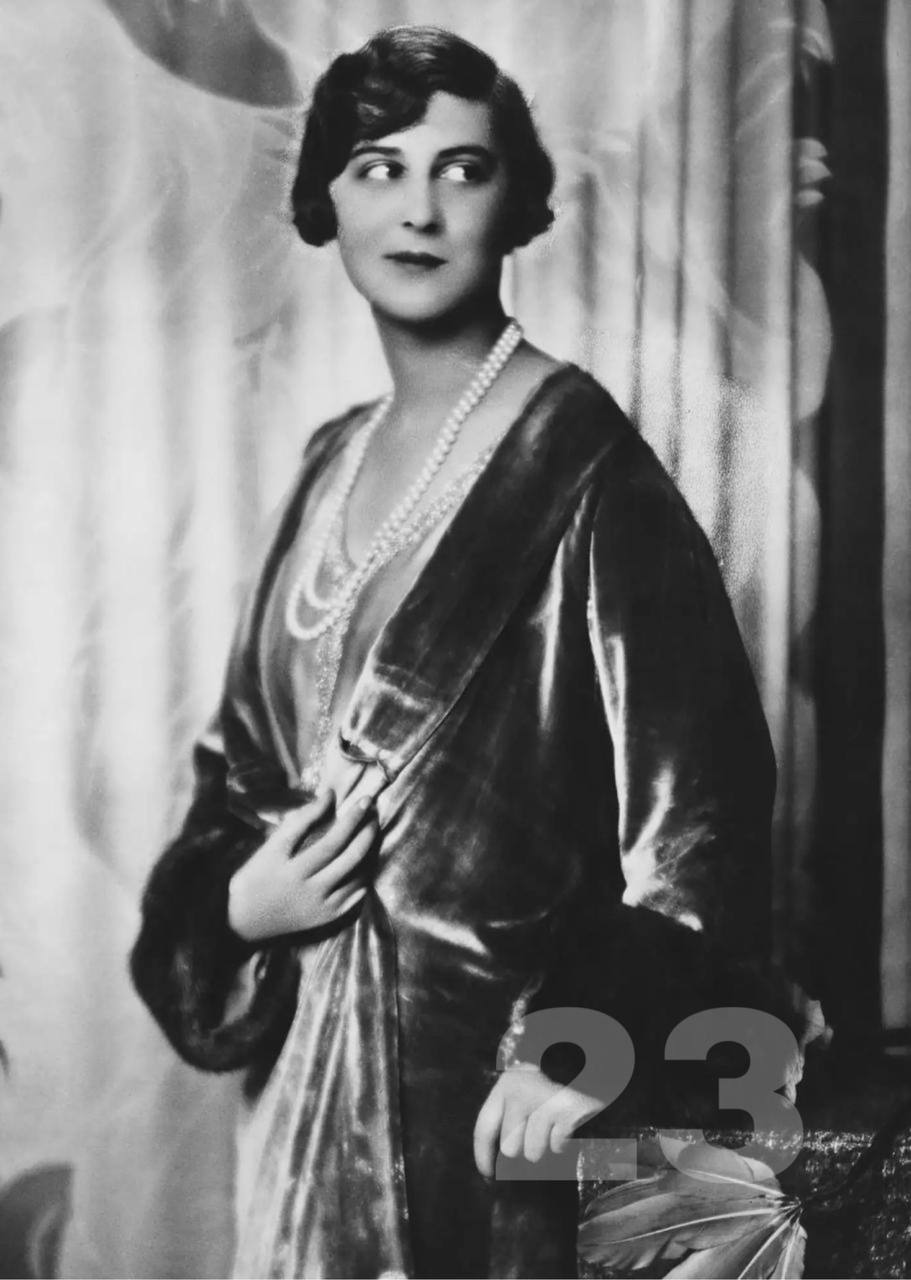
Over twenty years after losing her husband, Princess Marina died in her sleep following a short hospital stay. Palace officials later revealed she had been quietly battling an untreatable brain tumor for weeks before her death at age 61.
5. Prince William of Gloucester — 1972
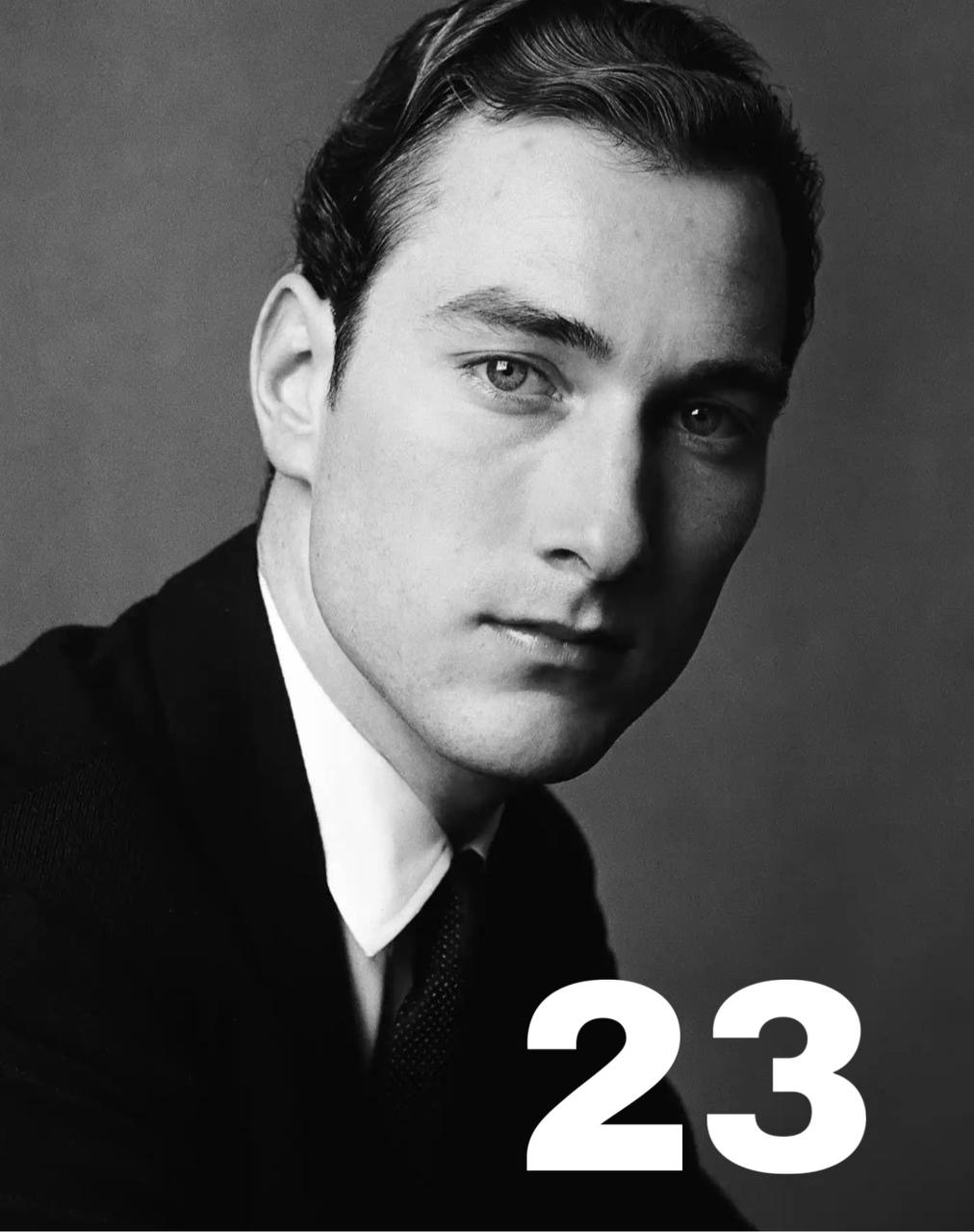
An avid amateur pilot, William was competing in an air race near Wolverhampton when his plane lost height right after takeoff. The aircraft clipped a tree, crashed, and caught fire, killing both William and his co-pilot. He was only 30.
6. Lord Louis Mountbatten — 1979
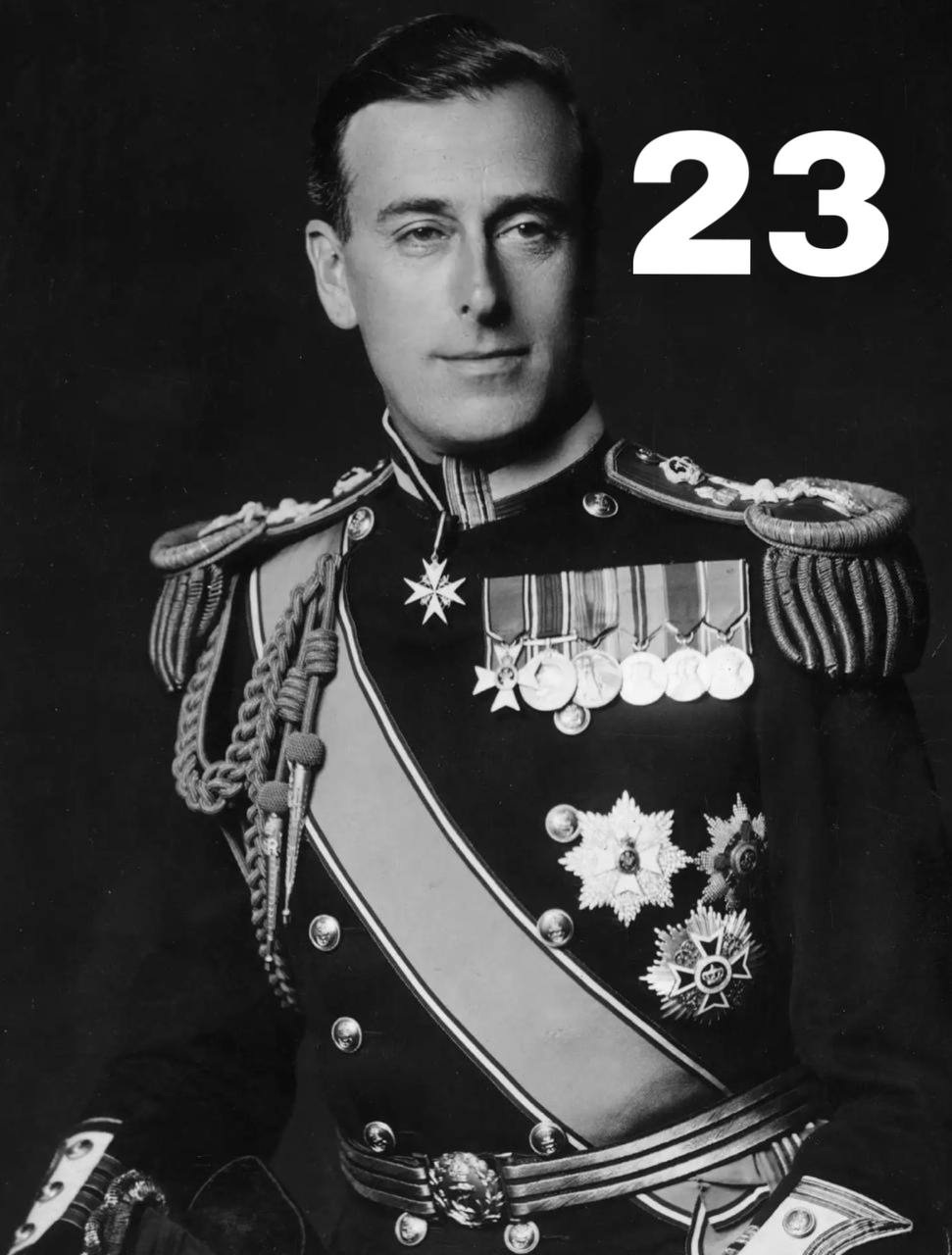
A close mentor to Prince Charles, Mountbatten was assassinated by the IRA while vacationing at his summer home in Ireland. A bomb had been hidden on his fishing boat overnight, and it was detonated by remote as the vessel headed out to sea. He was pulled from the water still alive but did not survive his injuries.
7. Princess Grace — 1982

Grace Kelly, the American actress turned Princess of Monaco, suffered a minor stroke while driving down from the family’s country estate. She lost control of the car and went over a steep cliff. Her daughter Stéphanie, who was in the car with her, survived but was too injured to attend the funeral. Grace died at 52.
8. Princess Diana — 1997
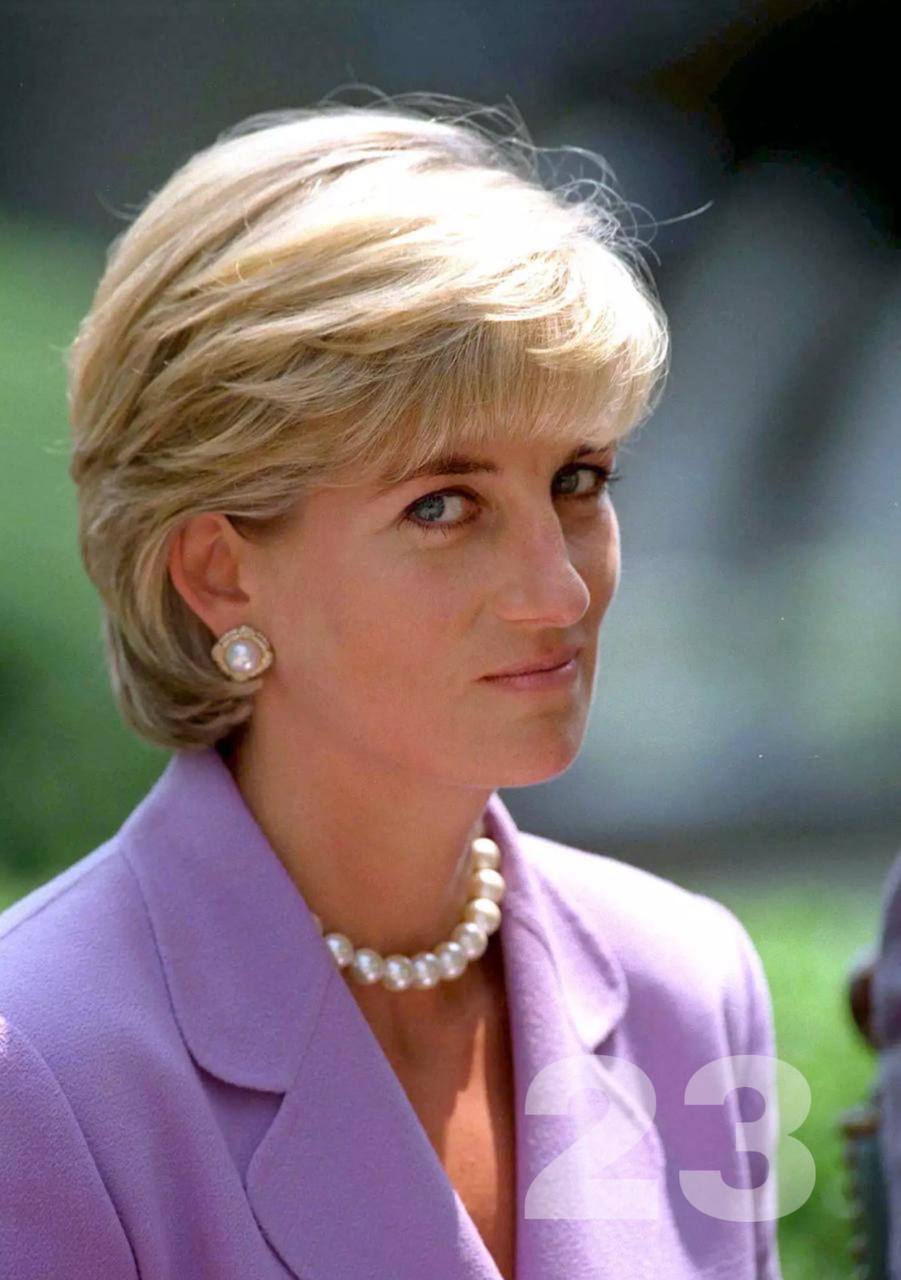
Diana died after the vehicle she was riding in crashed inside a Paris tunnel. Her companion at the time and the car’s driver, who was later found to have been intoxicated, also died in the crash. She was rushed to a nearby hospital but could not be saved, passing away at 36. Her funeral drew roughly two thousand attendees in person and was watched by billions around the globe.
9. Prince Friso of the Netherlands — 2013

The son of former Dutch queen Beatrix, Friso was buried in an avalanche while skiing off-trail in Austria in early 2012. The accident left him with severe brain damage from oxygen loss, and he spent over a year in and out of hospitals showing only minimal signs of consciousness before ultimately passing away at 44.
10. Mark Shand — 2014
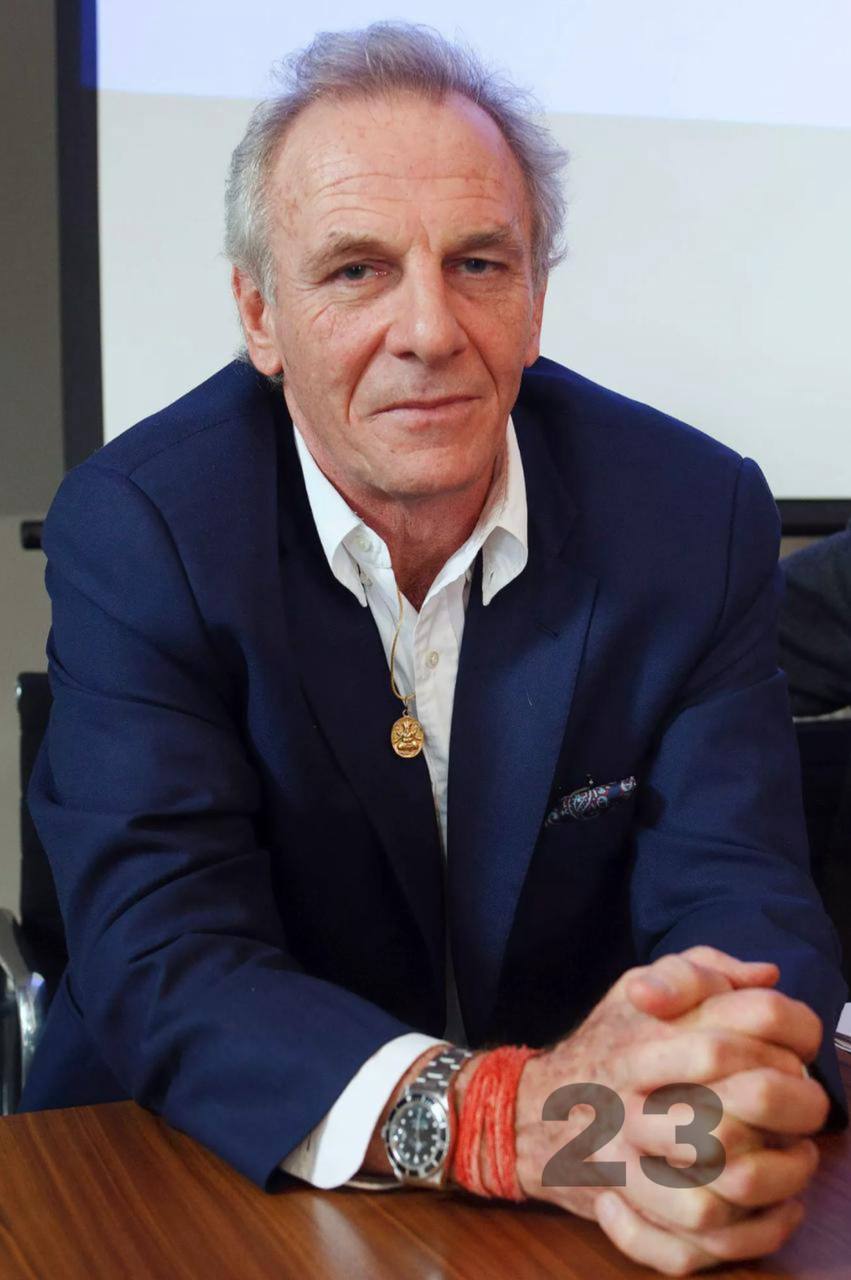
Queen Camilla’s younger brother wasn’t royal by title, but his death still made headlines. After leaving a charity event in New York, he fell and hit his head on the pavement. He died from the resulting brain injuries at 62, with an inquest later finding that an unusually thin skull had made the fall far more dangerous than it otherwise would have been.