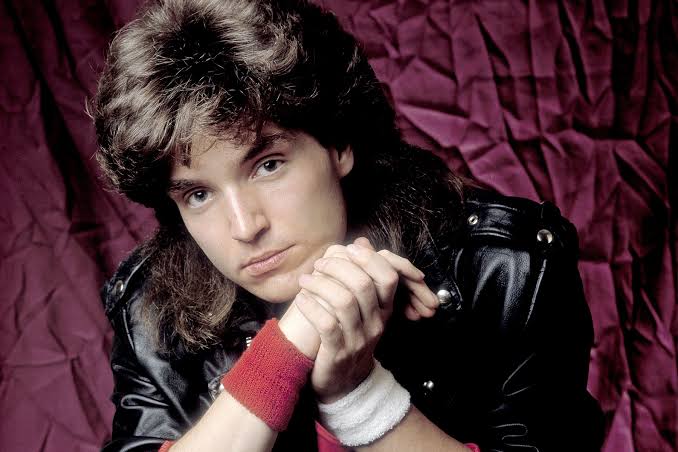
Richard Marx became one of the most recognizable faces in pop and rock music during the late 1980s and early 1990s.

With his distinctive voice, romantic songs, and youthful good looks, he quickly became a favorite among millions of music fans and one of the era’s most familiar male stars.
Marx had already been working in the music industry as a songwriter and background vocalist before launching his solo career.
His self titled debut album became a major success, producing hits such as “Don’t Mean Nothing,” “Should’ve Known Better,” and “Endless Summer Nights.”
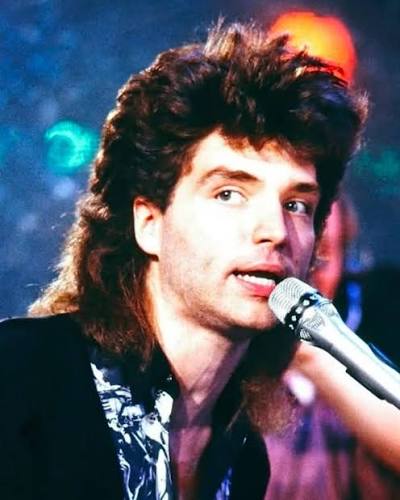
His follow up albums made him an even bigger star, with songs like “Hold On to the Nights,” “Satisfied,” and the unforgettable ballad “Right Here Waiting.”
At the height of his fame, Marx had the classic image of a late 80s heartthrob.
His thick dark hair, youthful face, casual style, and romantic songs made him a familiar presence on television, magazine covers, and radio stations around the world.
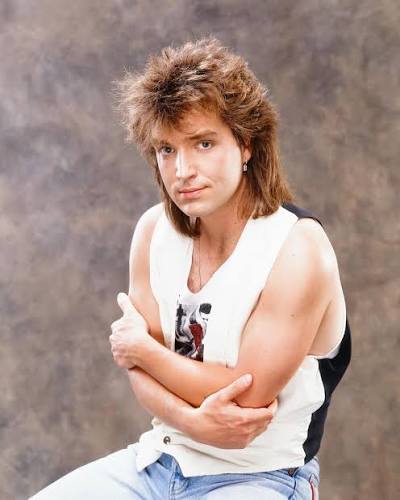
His music became especially popular with fans who loved emotional love songs and powerful ballads.
Unlike many performers who became known for just one era, Marx continued working in music for decades. He wrote and produced songs for other artists, released new albums, toured extensively, and continued performing for longtime fans.
His songwriting career also became an important part of his legacy, showing that his talents extended well beyond his own recordings.
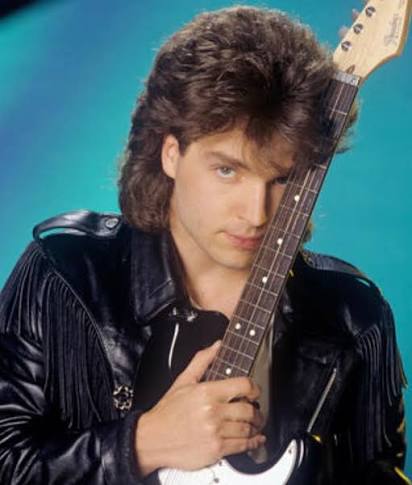
Over the years, fans have watched Marx naturally grow from the young singer with long dark hair into a more mature version of himself.
His hairstyle, facial features, and overall appearance have changed considerably with age, creating a noticeable contrast with the heartthrob audiences remember from his biggest hits.

Today, Richard Marx remains active in music and continues performing and connecting with audiences.
While he looks different from the young star who once dominated radio and music television, his voice and songwriting remain closely connected to some of the most memorable romantic hits of the late 80s and early 90s.

For longtime fans, seeing Richard Marx today offers a striking reminder of just how much can change after decades in the spotlight.