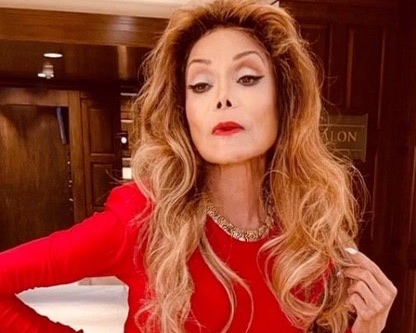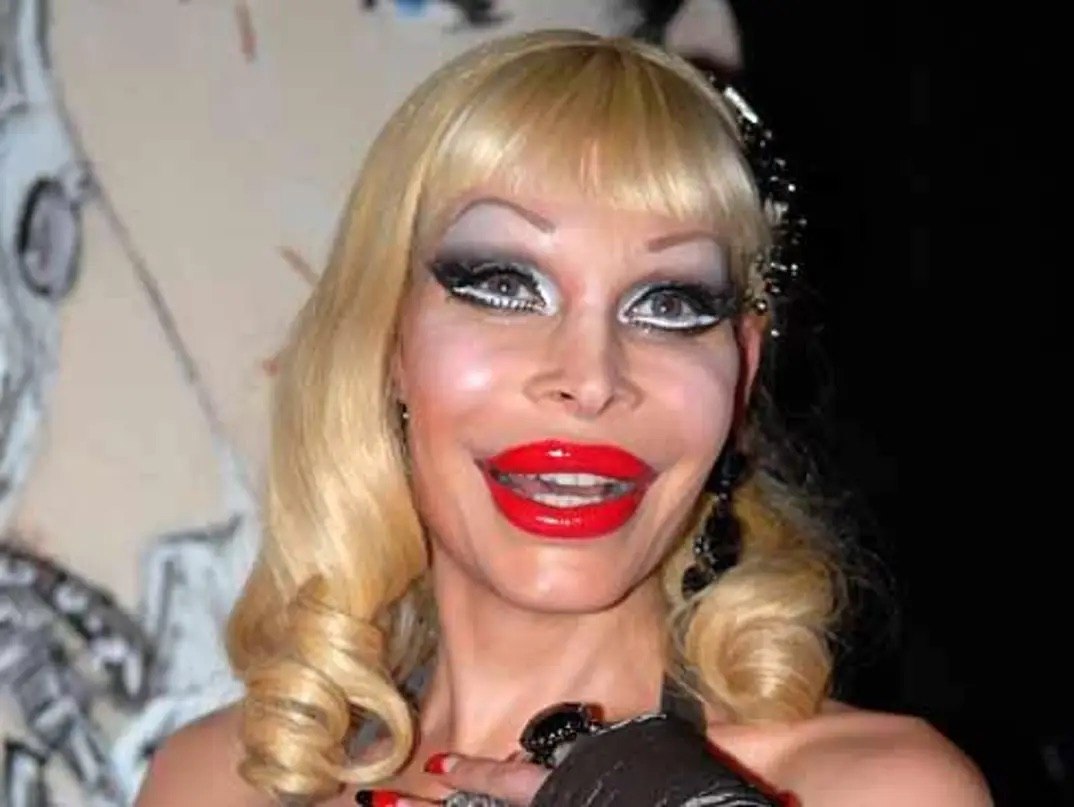
Amanda Lepore has never been the kind of woman who wanted to blend into the crowd.
For decades, she has been one of the most recognizable figures in New York nightlife, fashion and pop culture.
With her platinum-blonde hair, dramatic makeup, exaggerated curves and unmistakable appearance, Lepore deliberately created an image that became her signature.
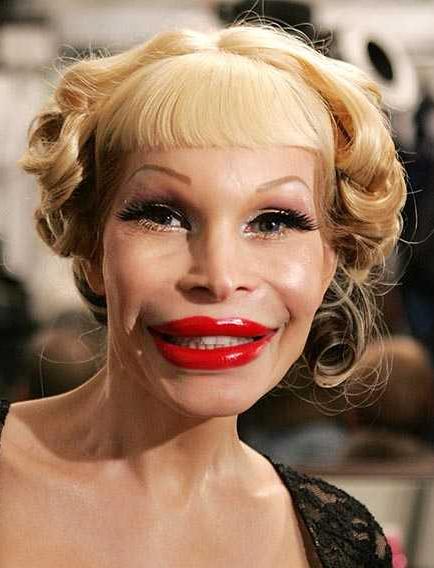
Born in New Jersey, she began exploring her identity at a young age and eventually transitioned. Over time, she transformed herself into the glamorous persona the world would come to know as Amanda Lepore.
Her appearance became central to her public identity.
Lepore became a fixture of New York’s legendary nightlife scene and eventually crossed into fashion, music and photography.
She worked with celebrated photographer David LaChapelle, appearing in his famously surreal photographs, and became part of the visual world surrounding some of the era’s biggest entertainers. Elton John also featured her in his Las Vegas show *The Red Piano* in 2004.
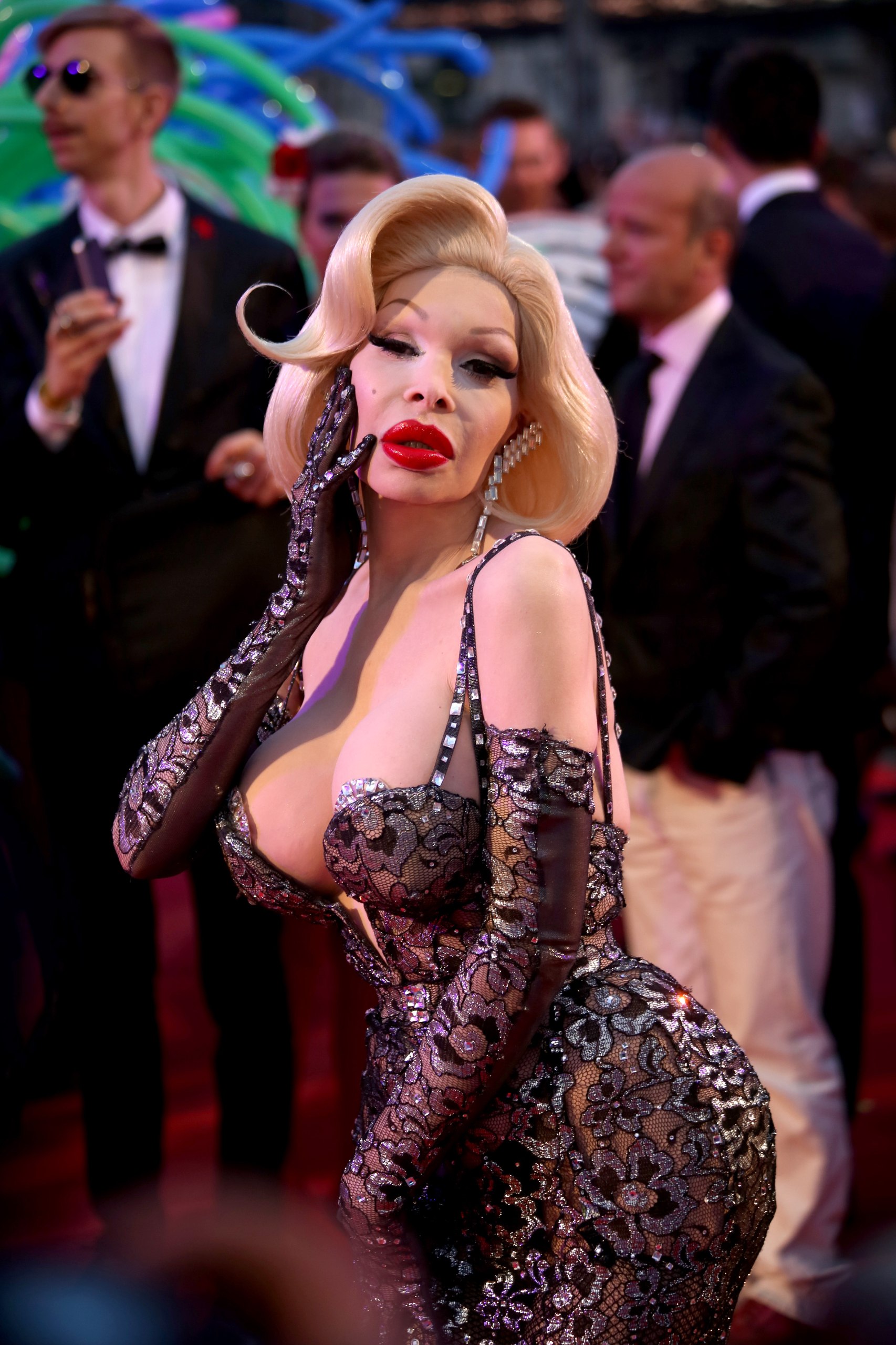
But it was her extreme approach to beauty that made her truly unforgettable.
Unlike celebrities whose changing appearances have generated endless speculation, Lepore has openly discussed transforming her appearance through cosmetic and gender-affirming procedures.
Her journey was not simply about trying to preserve a youthful look—it was part of deliberately creating the woman she wanted to see in the mirror.
Photographer David LaChapelle once described Lepore’s journey as a fight to undergo the surgeries that would allow her to become the person she envisioned.
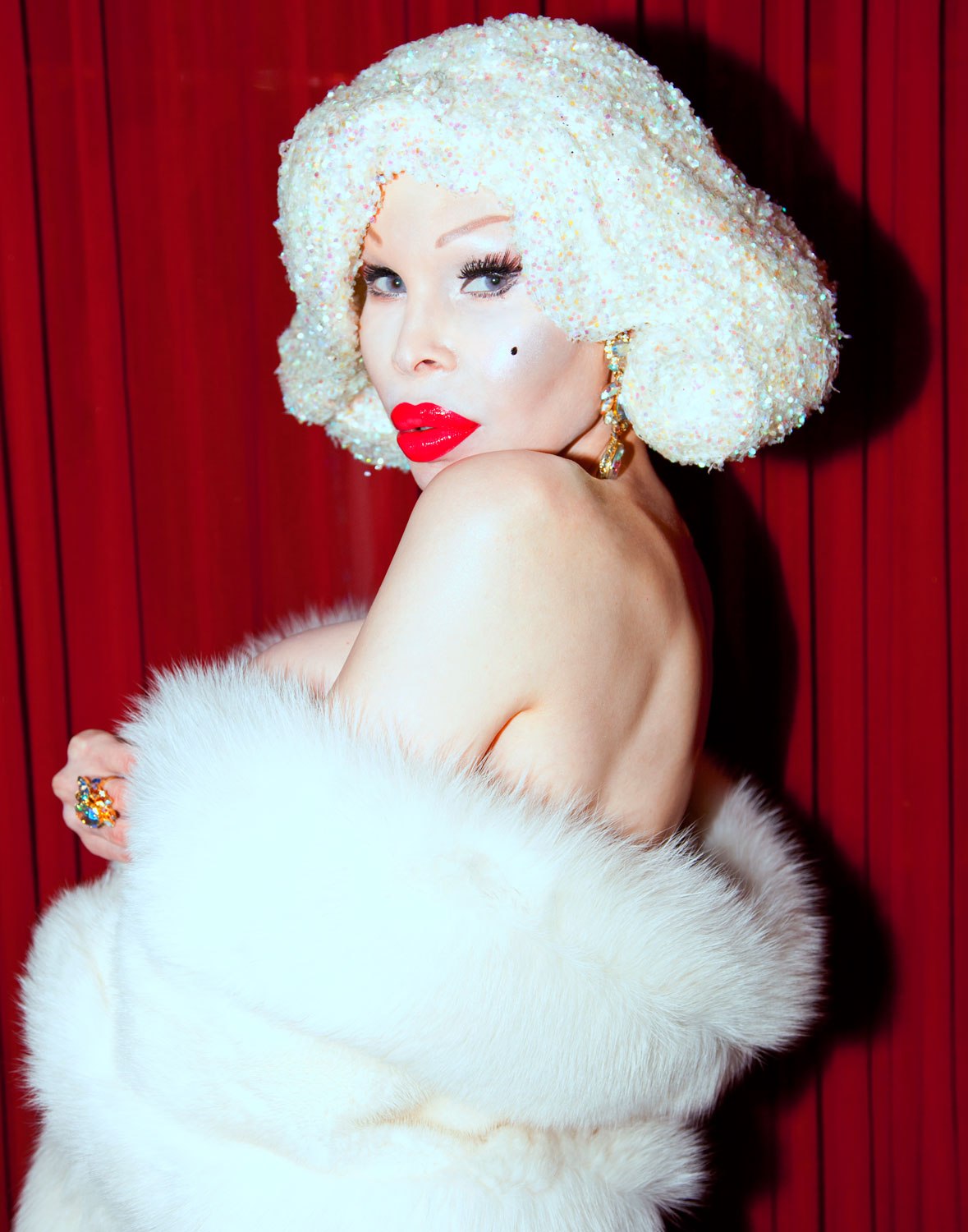
Over the years, her highly stylized appearance became almost larger than life. Her tiny waist, exaggerated curves, huge blonde hair and doll-like features made her instantly recognizable.
She eventually became more than a nightlife personality. Lepore appeared in fashion campaigns, music projects, films and photographs, turning herself into a living symbol of extreme glamour and self-expression.
Today, Amanda Lepore remains one of the most distinctive figures to emerge from New York’s fashion and nightlife culture.
Her transformation wasn’t an accidental change brought on by age.
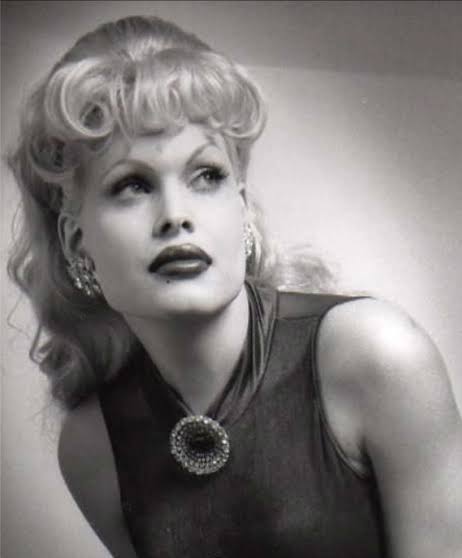
It was the creation of an image—one that she spent decades shaping until the world could never mistake her for anyone else.