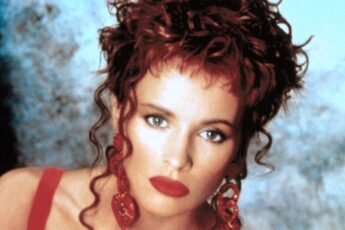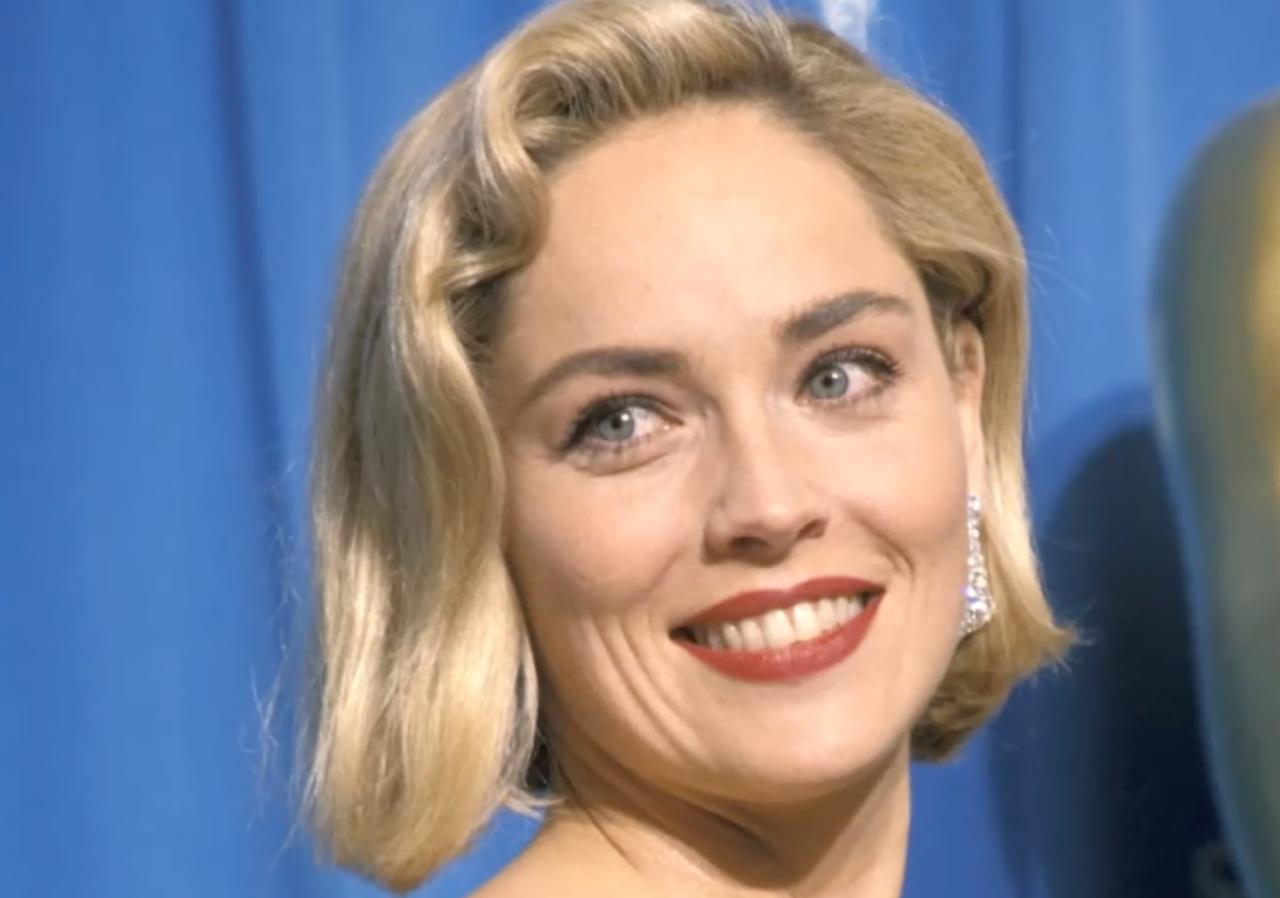
In February 2001, Sharon Stone was at the height of her power. At 43 years old, she was a Hollywood icon—the woman who played the most daring roles, who broke boundaries, who commanded respect and fear in equal measure. Then, one morning, her body betrayed her. A massive hemorrhagic stroke hit without warning. Doctors said her career was over. Her life as she knew it was finished. But Sharon Stone had spent her entire career refusing to play by anyone’s rules. And she wasn’t about to start now.
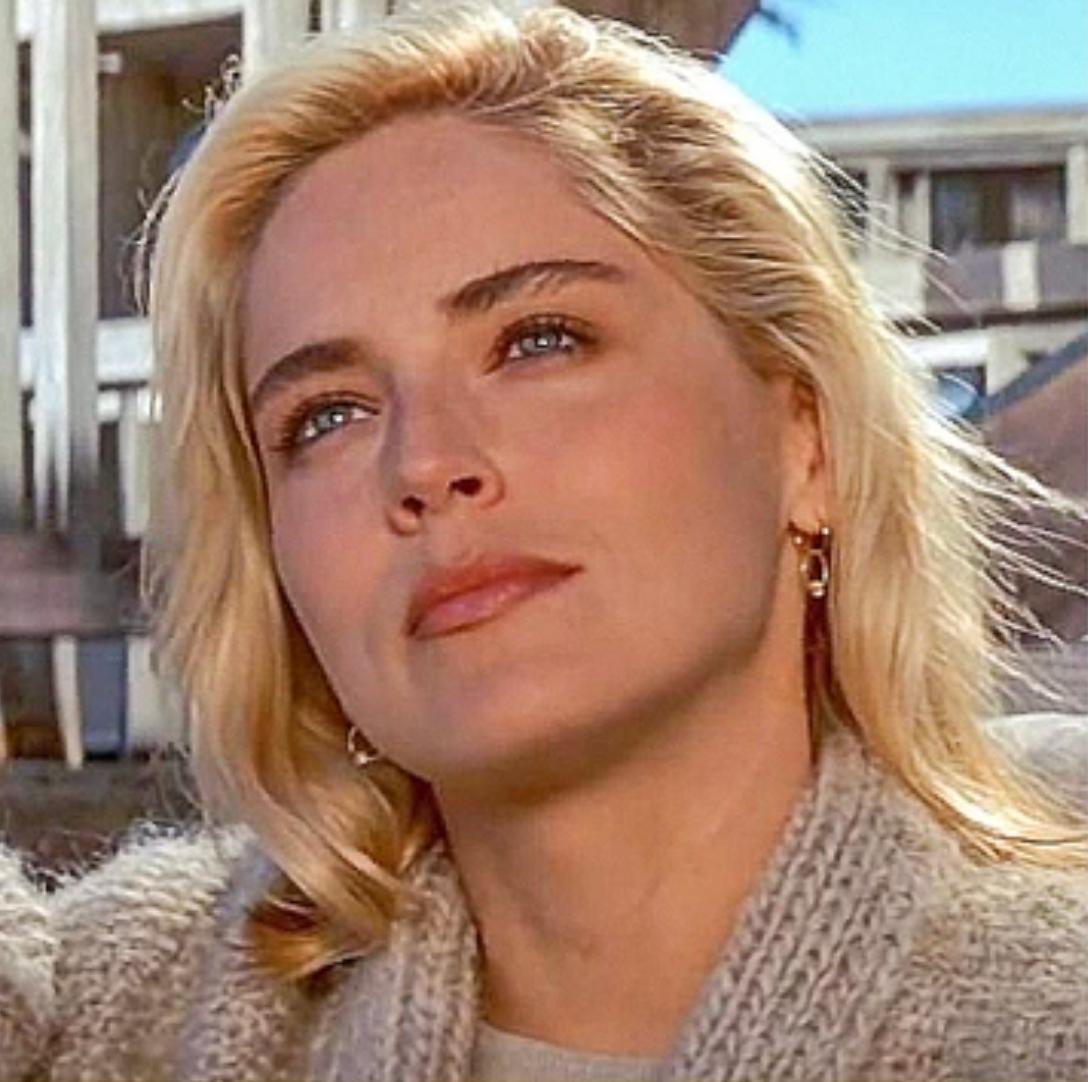
The stroke happened on a February morning in 2001. It was a hemorrhagic stroke—the kind where a blood vessel in the brain ruptures and bleeds. Sharon collapsed at home. Emergency surgery followed. For weeks, she was in a hospital, fighting not just for her career but for her life. She spent nine days in the hospital, then months in rehabilitation. The stroke left her with partial paralysis, vision problems, and neurological damage that doctors said might be permanent. Physical therapists told her she would be lucky to walk without assistance. Neurologists suggested she accept a quieter life—maybe some TV roles, nothing demanding. Her Hollywood friends largely disappeared. The industry that had celebrated her suddenly became silent. But in that silence, Sharon Stone discovered something fierce inside herself that had nothing to do with beauty or sex appeal. It had to do with survival.
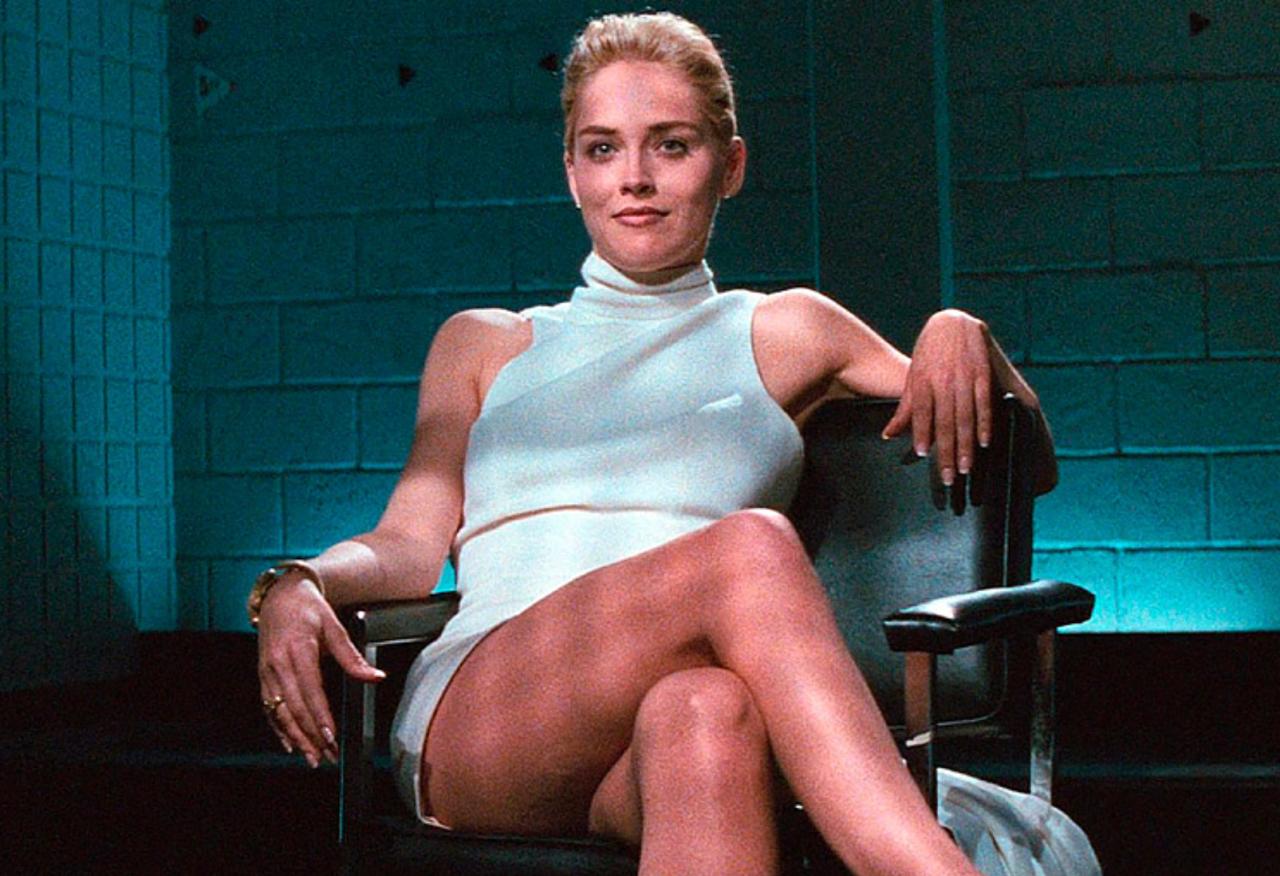
The rehabilitation was agonizing. Sharon couldn’t see properly for months. Her balance was destroyed. Simple tasks—walking, speaking clearly, remembering words—became monumental challenges. She spent months retraining her brain and body to work together again. She talks about those days with brutal honesty: the frustration, the tears, the moments when she wanted to give up. But she didn’t. She showed up to physical therapy like it was a movie set. She trained her brain the way she’d trained her body as a young actress. She refused painkillers that might cloud her mind because she needed to be sharp. She pushed through the humiliation of needing help with basic functions. And slowly, miraculously, her body began to listen again. Her doctors were stunned. The woman they’d written off began to come back.
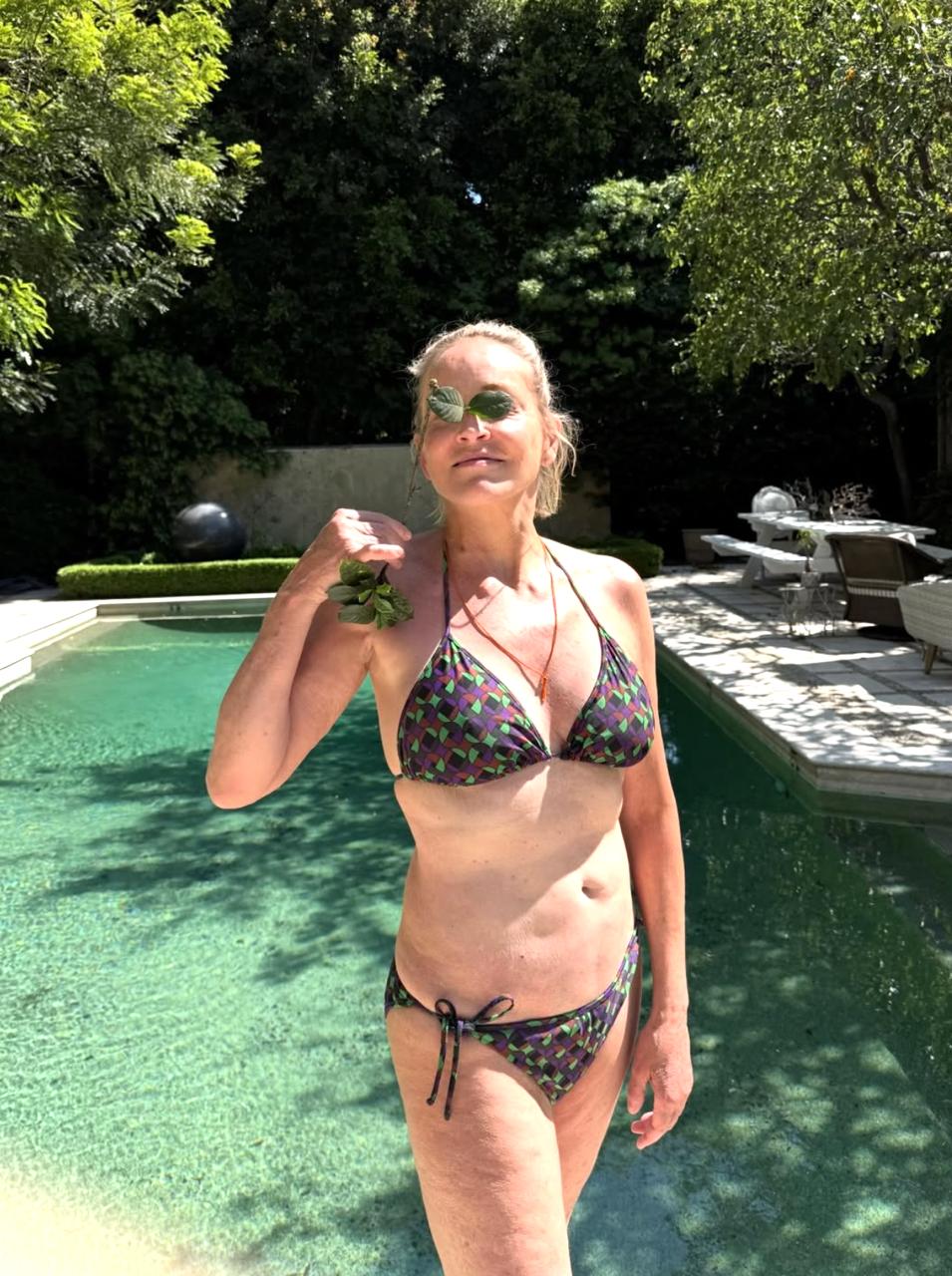
By 2002—just a year after the stroke—Sharon Stone returned to acting. She did a film called Cold Creek Manor. It wasn’t her biggest role, but it was proof that she was still here, still fighting, still refusing to disappear. In the years that followed, she kept working. She did guest spots on television. She appeared in films. She wrote a memoir—The Beauty of Living Twice—where she was shockingly honest about the stroke, the recovery, the pain, and the perspective shift that came with nearly losing everything. She talked about how the stroke forced her to strip away vanity and ego and discover what actually mattered. She became an advocate for stroke awareness, using her platform to help others who were going through similar nightmares. She spoke about the sexism of the industry—how men who survived strokes were celebrated for their resilience, while women were expected to quietly disappear.
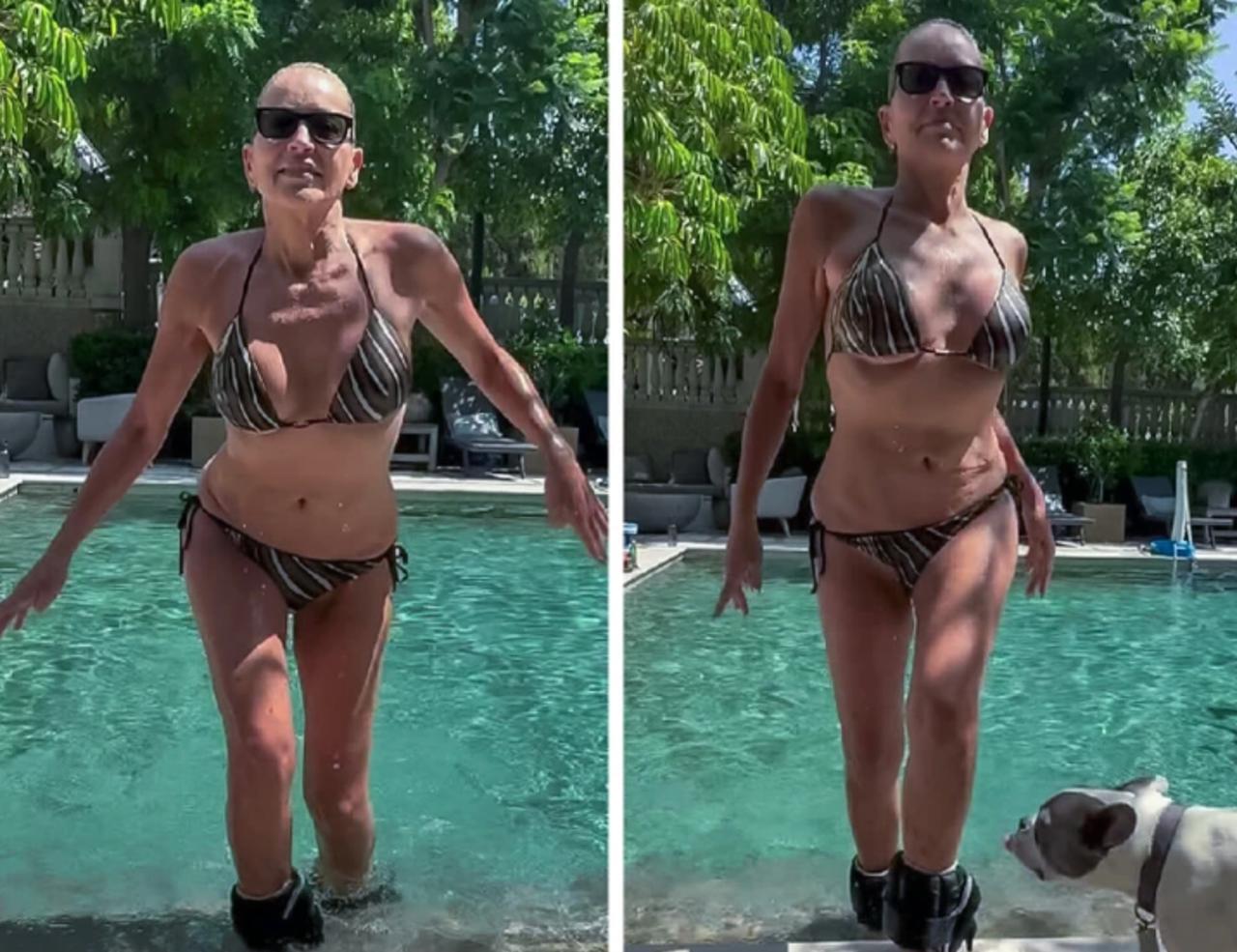
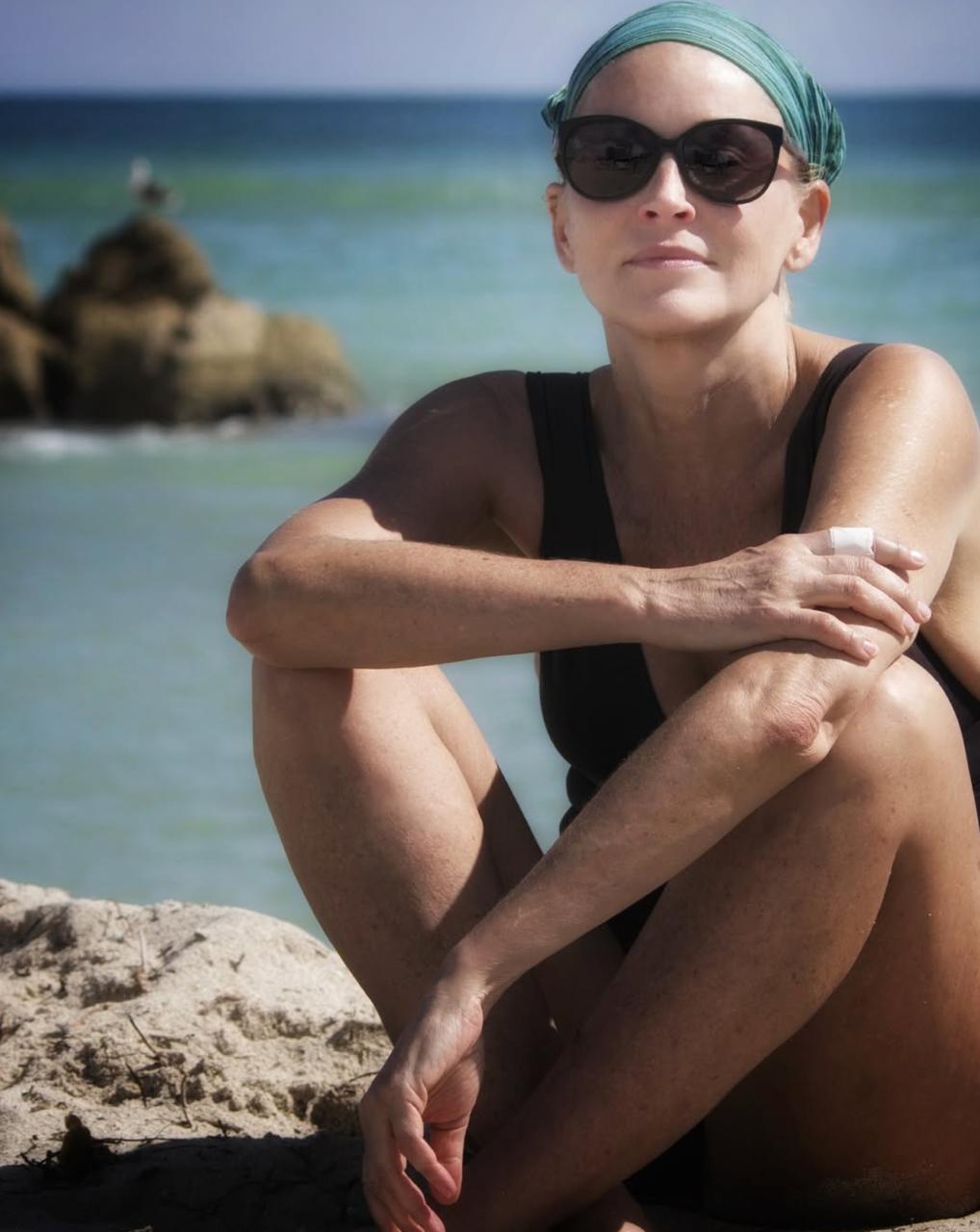
Now, at 68 years old in 2026, Sharon Stone is still here. Still working. Still powerful. Her face is different than it was in Basic Instinct—lined, lived-in, marked by age and struggle. She’s had some cosmetic procedures (she’s been honest about that), but she’s also refused to become a plastic surgery advertisement. She looks like a woman who has actually lived—who has suffered, survived, and come out the other side with her mind and her spirit intact. She’s doing selective film and television work.
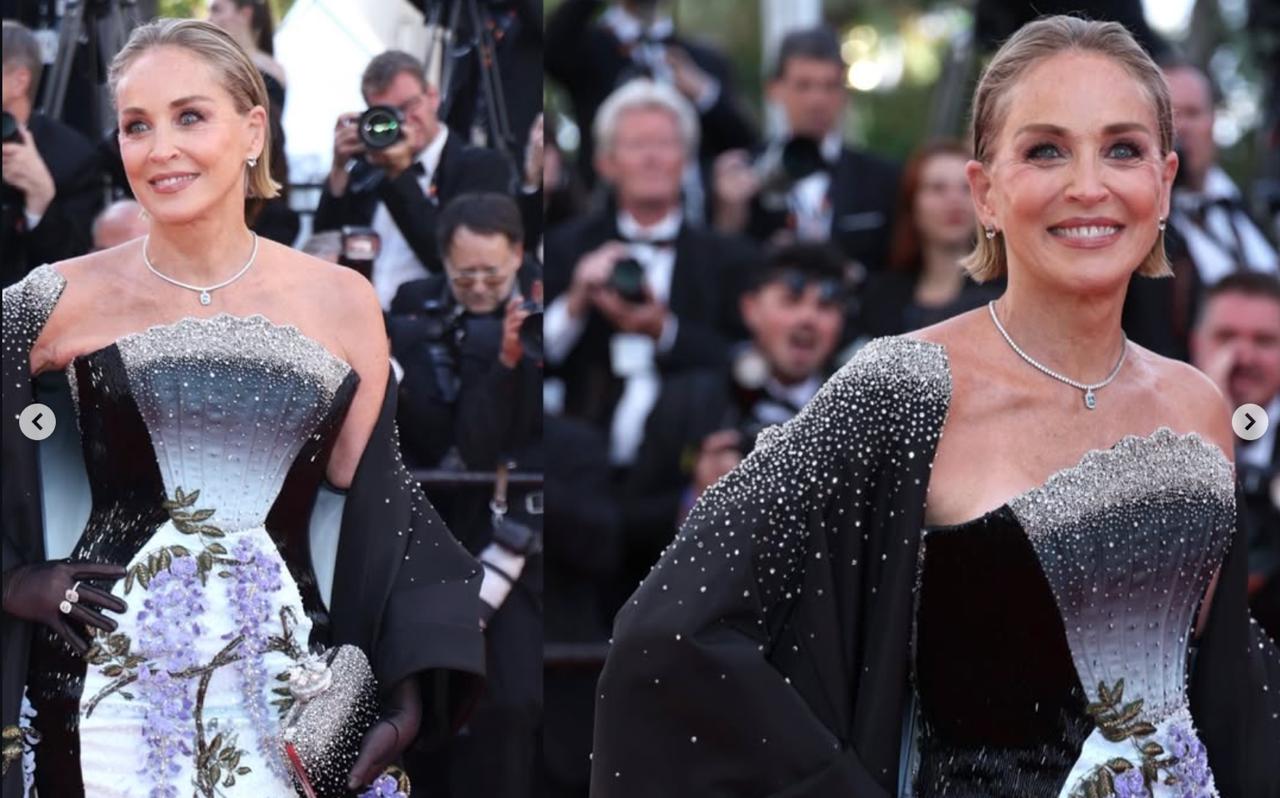
She’s an advocate. She’s an author. She’s a mother. And most importantly, she’s still here. When doctors told her she was finished at 43, they didn’t account for the fact that Sharon Stone has never been the kind of woman who accepts anyone else’s definitions of her life. The stroke was supposed to be her ending. Instead, it became proof of her beginning.